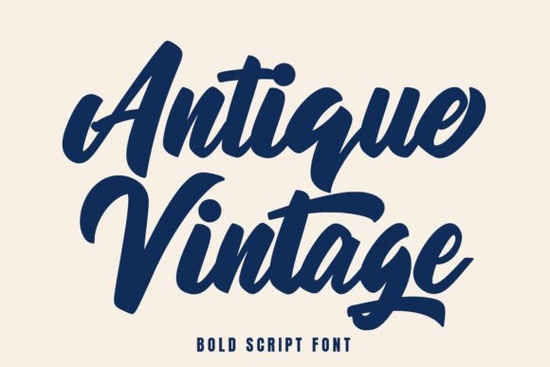
When you need a typeface that brings immediate handcrafted charm to your projects, Antique Vintage Font delivers steady visual weight. This brush script leans into thick, prominent strokes that read clearly at smaller sizes, while naturally interconnected letters create a fluid, handwritten rhythm. Using this style effectively saves hours of manual adjustments when working on labels, social posts, or printed merch.
What distinguishes this vintage brush style from standard cursive?
Most modern scripts prioritize light connections that break apart when scaled down. This set emphasizes bold, sweeping curves that maintain their shape across applications. Heavy terminals and consistent pressure lines mimic actual calligraphy brushes, making characters feel organic. Crafters cutting vinyl or running laser engravers appreciate these solid stroke weights because they translate cleanly through cutting paths.
If you prefer lighter options, you might explore a delicate single-line style like Pinsetter Line. Brands leaning into rustic themes often choose Hickory for its weathered appeal.
How do you balance it with complementary typefaces?
Because this style carries strong visual presence, it pairs best with clean sans-serifs or simple geometric serifs. A minimal body font gives readers a resting place between heavier script headers. Try placing dates or secondary information in a lightweight weight, then reserve the bold script for primary focal points. Leave generous negative space around connected letters so the design remains breathable.
Some creators mix in playful contrasts using rounded styles. A soft boutique theme might benefit from Melon Sorbet, while a travel branding project often looks polished alongside Honeymoon Vacation. For wellness or spa branding, Bluebird Melody provides a gentle, airy alternative. Contrast works best when one font carries emotion while the other handles informational duty.
Which industries get the most value from this aesthetic?
Print-on-demand sellers report better results when lifestyle products feature authentic-looking typography. T-shirts, mugs, and stickers respond well to the rich texture of connected brush scripts. Small business owners use these designs for coffee shop menus and wedding stationery because the style feels personal yet professional. Digital creators drop these files into templates to catch attention quickly.
Hobbyists frequently pair these letters with watercolor backgrounds or botanical illustrations. The thick strokes hold up nicely against busy patterns, and the flowing rhythm guides the viewer’s eye naturally. Avoid cramming long words together; breaking sentences into manageable phrases keeps everything readable. You can preview the full character set and download samples directly from Antique Vintage Font to review spacing behavior before purchasing.
What setup steps prevent common printing issues?
Always test your text at the actual output size before committing. Brush scripts hide minor kerning mistakes when viewed large, but spacing gaps become obvious when reduced for labels. Export proofs in vector format to preserve smooth curves. Check bounding box settings, since oversized caps often cause unexpected whitespace below the baseline. A quick print test on cheap paper helps you spot ink bleed before tackling premium materials.
Quick readiness checklist
- Set canvas dimensions to match your final print or screen ratio.
- Test legibility at half scale to catch cramped connections.
- Export as SVG for crisp vinyl routing.
- Verify commercial usage rights if listing finished goods online.
- Save layered source files separately from exported previews.
Start by drafting two layout variations, then compare them under realistic lighting. The version that maintains clarity while showing that hand-painted warmth is usually the right direction for your next design push.
Explore Design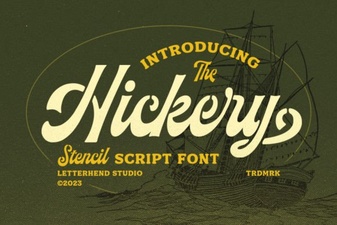 Hickery Font: Creative Typography for Your Projects
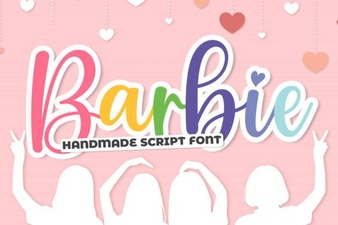 Barbie Font for Design, Crafting & Diy Projects
 Behappy Font: Free Retro Script for Creative Designs
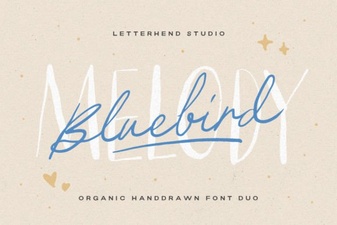 The Bluebird Melody Font for Creative Typography
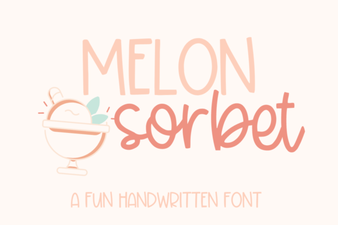 Melon Sorbet: a Font for Fun Projects
 Pinky Melon Font: Design Ideas & Creative Projects