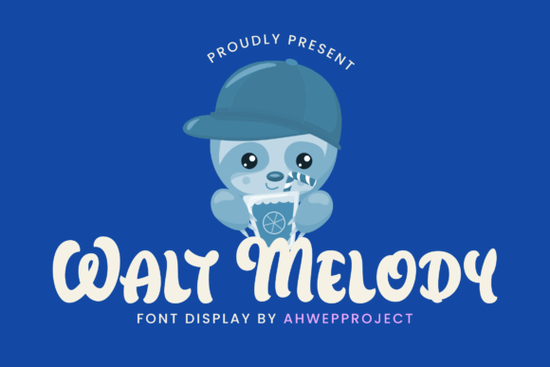
If you need a typeface that adds immediate charm to headlines, logos, and social graphics, Walt Melody fits that goal well. This display font draws clear inspiration from classic entertainment typography while keeping its own distinct character. The rounded forms and playful curves make it highly legible without feeling childish. Because it uses PUA encoding, you can pull every special glyph and decorative accent directly from your design software. That approach removes manual copy-pasting and keeps your workflow steady.
Why Pick a Themed Display Face for Commercial Work?
Certain projects require lettering that feels familiar yet fresh. When designing children’s products, party invitations, or boutique branding, a carefully shaped sans-serif delivers visual interest without overwhelming the layout. Crafters often pair these characters with soft pastel palettes to create cohesive mockups. Small business owners use them for shop signage, packaging labels, and Instagram banners where readability meets approachability. If you regularly handle themed graphic packages, exploring complementary style collections can streamline your asset library when mixing typefaces across campaigns.
How Does PUA Encoding Improve Your Design Process?
Private Use Area encoding handles alternative characters efficiently. Instead of searching through system symbol menus or recreating shapes manually, you assign the extra symbols to accessible key combinations. After installation, open your editor, select the font family, and activate the custom glyph panel. You will find directional arrows, decorative flourishes, and small stylistic alternates ready to drop into place. This method removes guesswork when assembling festive layouts or crafting detailed illustrations.
Pairing strategies matter when combining display lettering with body text. Strong headline characters balance best with clean geometric sans-serifs or understated serif subtitles. For nostalgic poster layouts, you might reference resources built around vintage aesthetics that share similar retro proportions. Retro branding pieces also benefit from that same historical context, so testing contrast between modern grid systems and classic character shapes often yields professional results. Always preview combined type at actual production size before finalizing artwork.
Where Should You Apply This Typeface Most Effectively?
Designers typically reserve it for headers, quote graphics, and merchandise tags rather than long paragraphs. Extended body text stays difficult to read with stylized display faces, so keep standard type in the content area. Print-on-demand sellers often layer these characters over textured backgrounds or wrap them around cylindrical templates for drinkware and apparel. The open counters prevent thin strokes from breaking during heat transfer or resin casting. Hobbyists building early education handouts appreciate the clear structure, though dedicated tracing resources remain a better match for guided letter practice.
What Steps Keep Your Files Production Ready?
Before exporting, verify three critical settings. First, convert outlines only after checking spelling and kerning on multiple screen sizes. Second, embed color profiles that match your printer or marketplace requirements. Third, flatten transparency effects if your sales channel lacks gradient support. Maintaining these steps reduces revision requests and protects profit margins. Many creators also generate low-resolution previews for web galleries while saving high-resolution vector copies for physical fulfillment. If you want to study how similar entertainment-style typefaces handle terminal shapes, browsing the official Walt Melody Font documentation page provides useful baseline guidance.
Quick Pre-Export Checklist
- Confirm all custom glyphs render correctly in your active software version
- Set line height above 115% for wider headline compositions
- Test light and dark background variations to verify contrast thresholds
- Proofread text twice before converting paths or merging groups
- Archive separate editable masters alongside final PDF exports
Following these straightforward steps ensures consistent outputs across platforms. Experiment with muted background textures, monitor crop safe zones, and organize your layer structures clearly. Proper file management cuts revision time and makes client presentations cleaner. Align technical preparation with deliberate spacing, and even basic typographic setups will show noticeable quality improvements. Save a backup of your working document before running batch exports, and keep your license terms handy when sharing files with team members. This simple habit prevents accidental licensing conflicts and keeps your commercial projects protected.
Get Started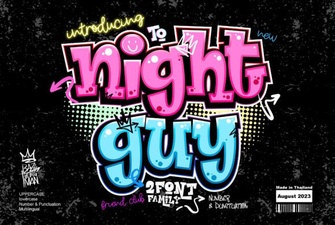 Night Guy Font: Creative Design Projects & Tutorials
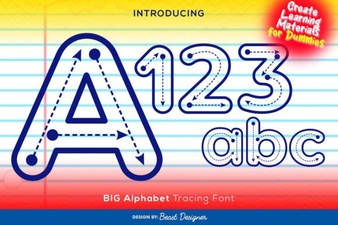 Creative Fonts for Tracing Large Letters & Numbers
 Magical Vintage Font Styles for Modern Design
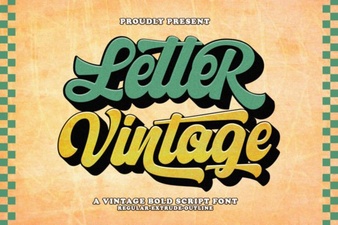 Vintage Lettering Fonts for Timeless Design Projects
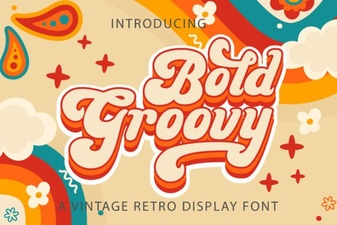 Groovy Font Designs for Bold & Creative Projects
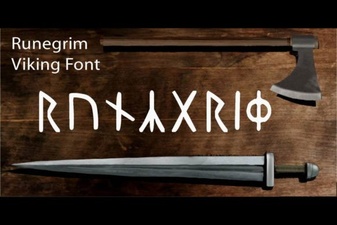 Runegrim Font: Creative Typography Design Tips