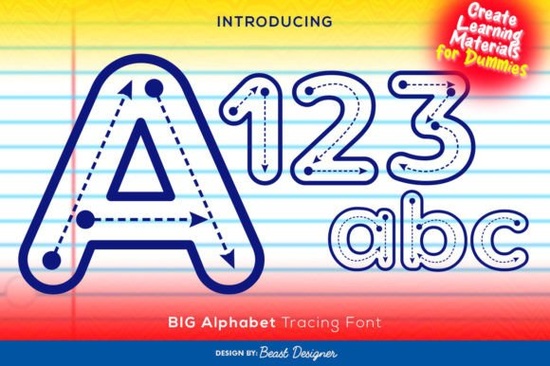
If you are creating worksheets, classroom posters, or printable activity packs, having a legible, child-friendly typeface makes a noticeable difference in how young readers approach letters. The Big Alphabet Tracing Font fills that gap by offering oversized, dotted outlines that guide little hands through proper stroke order while keeping the layout clean enough for older students reviewing their ABCs. Instead of forcing children to guess letter shapes from dense blocks of text, this typeface breaks down each character into clear segments that turn practice into a low-stress routine.
Why do children learn better with dotted outlines?
Early handwriting development relies heavily on visual cues and motor memory. When kindergarteners first pick up a pencil, they struggle to connect top strokes with bottom curves. Dotted guides remove that guesswork by showing exactly where the pen should lift, where lines cross, and how to close loops. Teachers often notice faster progress when students switch from plain block letters to traced versions, because the cognitive load drops and muscle memory kicks in earlier. For busy parents who want structured yet stress-free practice at home, this format reduces the back-and-forth correction cycle and keeps reading sessions moving forward.
From a design standpoint, spacious letterforms prevent ink bleed on standard copier paper or thermal printers used for quick classroom runs. Clean counters inside characters stay open, which matters when you print small batches for homeschool groups or local daycare centers. You can pair straightforward tracing sheets with short phonics drills, and the consistent spacing keeps everything aligned without constant manual adjustments in your layout software.
How crafters and POD sellers apply this typeface
Educational printables sell steadily because parents constantly search for affordable, screen-free activities they can print at home. When you drop this typeface into Canva, Affinity, or Illustrator, the generous sizing leaves plenty of room for borders or teacher notes. Many digital shop owners build themed weeks around specific letters, trading visual focus between vowels and consonants. The wide strokes also hold up well when converted to vinyl cut files for crafting machines, meaning the same base file can become a classroom chart or a set of desk nameplates without redrawing.
Styling choices matter once you move past basic black. If your brand leans toward retro classroom aesthetics, you might explore curved retro styles to balance the geometric tracing shapes with softer mid-century vibes. Teachers preparing end-of-year certificates often swap to modern event layouts for a cleaner finish, while boutique planners sometimes test aged serif textures over pastel backgrounds. Even niche educators who focus on mythology or darker academic themes occasionally contrast standard tracing grids with shadow-heavy gothic styles during unit studies, though those denser glyphs work best as decorative accents rather than daily practice material.
Licensing clarity remains essential for anyone selling physical or digital products. Always verify whether your membership covers commercial print runs or limited batch reproduction. Most teaching resources stay safe under standard creator licenses, but larger school district orders may require extended terms. Keeping a folder of approved font files and purchase receipts prevents sudden takedowns when marketplaces audit listings unexpectedly.
What should you test before publishing teaching worksheets?
Print quality directly affects how easily a child follows the dotted path. Run a sample page through your actual printer, since dot density changes across inkjet and laser devices. If the dots vanish or smudge too quickly, adjust your output resolution or switch to slightly heavier paper stock. Layout consistency improves when you lock letter heights and line spacing before adding images or checkboxes. Test both left-handed and right-handed pen angles, since grip orientation shifts how much white space learners see between strokes.
File organization saves hours during busy seasons. Name layers clearly, group tracing paths on separate tracks from solid fill letters, and export PDFs at high compression ratios that still preserve crisp edges. When you bundle worksheets into weekly packets, keep color codes uniform so students can flip pages without searching for instructions. Small habits like these reduce support requests and make your digital storefront feel professionally maintained.
For reference on stroke structure and baseline alignment standards, educators often point to official literacy council publications. You can review how dotted progression maps to developmental stages at Big Alphabet Tracing Font. Cross-checking those benchmarks against your own templates ensures your materials stay current without chasing temporary trend cycles.
What steps ensure clean printable results?
- Set margins to at least 0.5 inches so corner dots never get trimmed during bulk cuts
- Group tracing paths and solid fill layers separately for easy toggling
- Test one sheet on your final printer and paper weight before uploading
- Verify commercial usage terms match your intended sales volume
- Save a fallback version in plain black and white for low-ink classroom requests
When you lock these steps into your workflow, designing effective ABC practice becomes repeatable instead of reactive. Start with a single letter pack, gather feedback from a small group of users, then expand outward. Consistent spacing and reliable file naming will keep your projects professional while giving learners the steady foundation they need.
Download Now Night Guy Font: Creative Design Projects & Tutorials
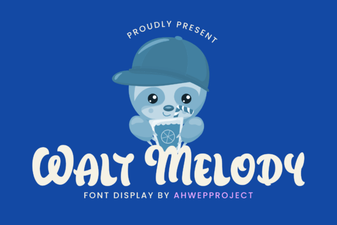 Crafting with the Walt Melody Font
 Magical Vintage Font Styles for Modern Design
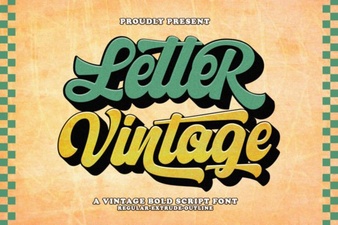 Vintage Lettering Fonts for Timeless Design Projects
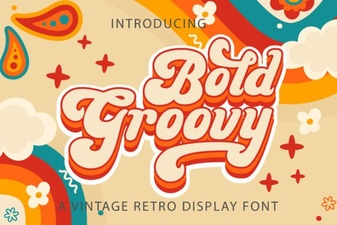 Groovy Font Designs for Bold & Creative Projects
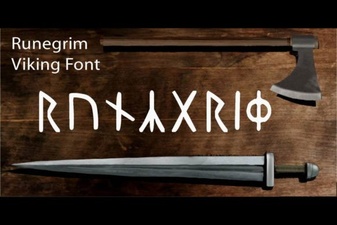 Runegrim Font: Creative Typography Design Tips