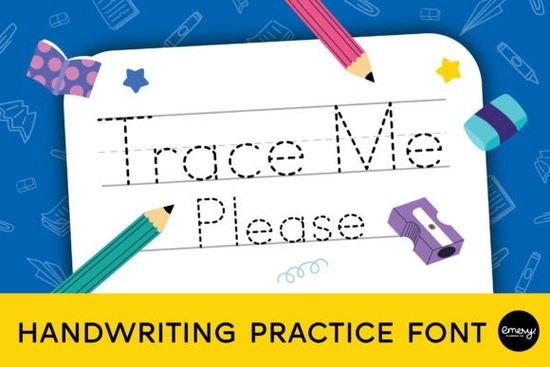
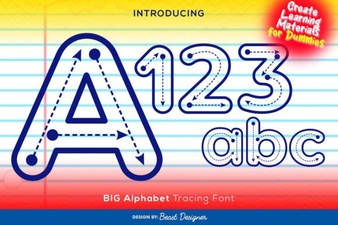
When young learners are picking up crayons or pencils for the first time, guiding them toward correct stroke direction matters more than anything else. The Trace Me Please Font was built specifically to support that early stage of fine motor development. Instead of guessing where a line should start or which way an arrow should point, students simply follow dotted paths that match standard pedagogical methods. Teachers and homeschool parents often reach for this tool when they need reliable tracing templates that align with established writing curriculums. Designers, crafters, print-on-demand sellers, small businesses, and creative hobbyists frequently bundle these files with coloring sheets because the consistent sizing keeps layouts tidy across different paper formats.
Why do kids struggle with letter formation at this stage?
Fine motor control takes time to develop, and most preschoolers have not yet mastered the wrist rotation needed for fluid penmanship. When instruction relies on static pictures or mismatched examples, young writers often reverse characters or press too hard because they lack visual cues. A structured tracing system solves this by providing clear directional markers right on the page. Each glyph includes subtle arrows that show exactly how to begin, pivot, and finish the shape. Over several weeks of daily repetition, muscle memory kicks in and the child starts forming letters independently. Parents working from home often notice faster progress when they set up a ten-minute morning routine using ready-to-print sheets instead of searching for scattered online activities.
How can you turn these files into effective classroom or home materials?
The most reliable approach combines variety with consistent pacing. Start each session with uppercase block forms, then transition to lowercase variations once grip strength improves. Add simple sight words after mastering individual shapes, keeping phonetic patterns familiar to avoid cognitive overload. For small business owners selling teacher resources, bundling a full alphabet pack with seasonal themes boosts perceived value without extra design work. You can also laminate blank practice pages and let students reuse dry-erase markers during group lessons. Keeping a mix of guided tracing and freehand sections ensures children eventually graduate off the dotted lines naturally.
What separates professional tracing typefaces from basic handwritten styles?
Not every script works well for early education, even if it looks neat on screen. Proper letter height ratios, consistent stroke width, and accurate slant angles determine whether a file actually supports standard pedagogy. Some decorative options distort proportions or merge adjacent curves, which confuses developing readers. The solution used here follows recognized guidelines for initial reading programs while remaining flexible enough for themed projects. When browsing other printable assets, you might visit the official download page at main page for this specific tracing template to preview trial versions, or explore a leopard print decorative selection to keep lesson plans fresh. Comparing spacing across different files helps you maintain readability, so checking a butterfly monogra arrangement can save time during batch production.
Where should creators focus when scaling educational printables?
Sustainable growth comes from solving real classroom pain points rather than chasing trending aesthetics. Keep tracking tools organized by grade level, include usage licenses that clearly define commercial terms, and update file formats regularly as publishing platforms shift standards. Many independent sellers discover that bundling tracing packs with rubrics or progress trackers increases average order value. You can also collaborate with literacy coaches to verify stroke sequences before listing items, which strengthens credibility and reduces refund requests. Test smaller vowel and consonant sets first, gather educator feedback, then expand into full alphabets based on actual classroom needs. Always verify licensing permissions before redistributing third-party assets, and remember that quality control beats volume when building long-term trust with educators.
Practical Next Steps for Your Workflow
- Verify stroke order against your local curriculum guide before exporting final pages.
- Test print at home using standard copy paper to check contrast and erasability.
- Organize folders by uppercase, lowercase, numbers, and punctuation for faster retrieval.
- Document usage limits in your product listing so buyers know exactly what they can reproduce.
Ready to start creating? Download Trace Me Please Font today and build your first week of tracing exercises tomorrow.
Try It Free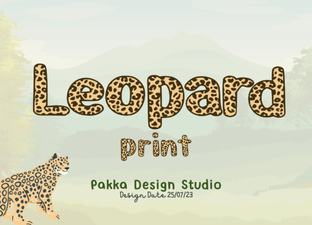 Design Ideas for Using a Leopard Print Font
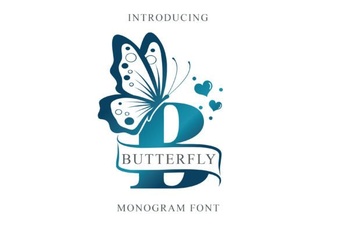 Butterfly Monogra Font: Creative Design Applications
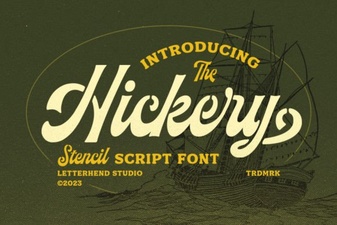 Hickery Font: Creative Typography for Your Projects
 Night Guy Font: Creative Design Projects & Tutorials
 Creative Fonts for Tracing Large Letters & Numbers
 Crafting with the Walt Melody Font